How to Reserve a Community Garden Plot in Candiac for the Growing Season

Where Can You Find Community Gardens in Candiac?
Have you ever walked past a neighbour's overflowing vegetable beds and thought — I'd love to grow my own tomatoes, but my balcony barely fits a chair? You're not alone. In Candiac, more residents are discovering that you don't need a sprawling backyard to cultivate fresh herbs, vegetables, and flowers. The city has been expanding its community gardening program over the past few years, and for good reason — there's something deeply satisfying about planting a seed in soil that's technically shared, yet personally tended.
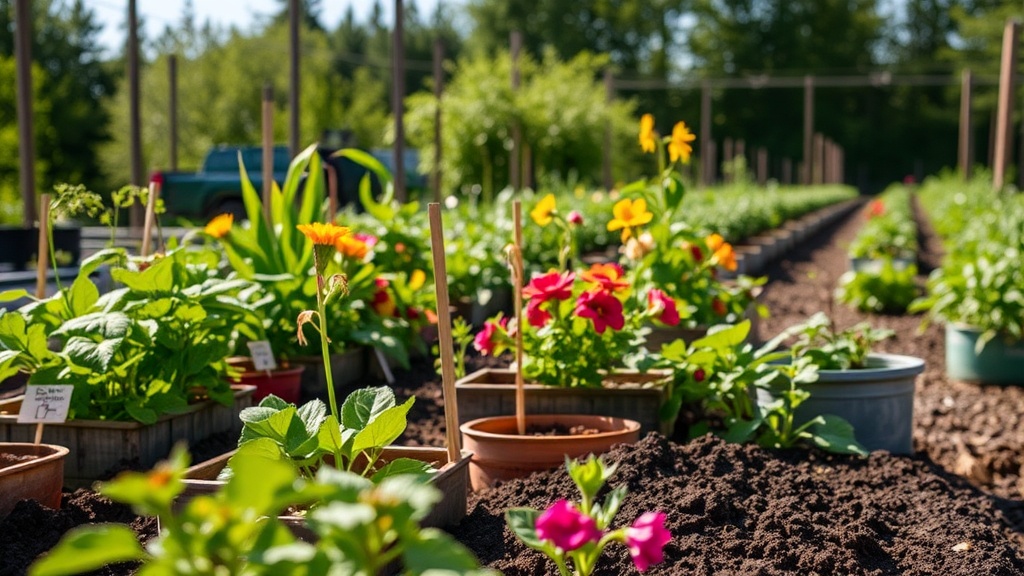
Candiac currently operates several community garden sites across different neighbourhoods, with the largest concentration near Parc de la Cité-Jardin and smaller satellite plots near the Complexe sportif Jean-Louis-Lévesque. These aren't just patches of dirt with a water tap — they're organized, maintained spaces where residents can rent individual plots for an entire growing season. The city provides the infrastructure: raised beds (in some locations), composting facilities, water access, and basic tool storage. What you bring is the enthusiasm — and perhaps a willingness to chat with fellow gardeners about whether heirloom carrots are worth the extra effort. (Spoiler: in Candiac's clay-heavy soil, they absolutely are.)
How Do You Actually Reserve a Plot?
The process isn't complicated, but it does require some timing. Candiac typically opens registration for community garden plots in late February or early March — well before the ground has thawed. This gives the city time to process applications, assign plots, and prepare the sites before the May planting rush. You'll want to mark your calendar, because popular locations (especially the Cité-Jardin site) fill up quickly.
To register, you'll need to visit the city's official website and navigate to the Services aux citoyens section. Look for the "Jardins communautaires" link — it's usually buried under Loisirs et culture, but a site search will get you there faster. The online form asks for basic contact information, your preferred garden location, and whether you'd prefer a standard ground-level plot or one of the raised accessible beds (highly recommended if kneeling isn't your favourite position). There's a nominal fee — historically around $30-40 for the season — which covers water usage, compost, and basic maintenance. Payment is processed online, and you'll receive a confirmation with your plot number and a copy of the gardener's agreement.
Alternatively, you can register in person at the Centre communautaire de Candiac on Avenue Notre-Dame. The staff there are genuinely helpful — they'll walk you through the available locations, explain which plots get afternoon sun versus morning shade, and even introduce you to the volunteer garden coordinators who keep an eye on things throughout the season. If you're new to gardening or new to Candiac, this in-person route is worth the extra effort.
What Are the Rules — and the Unwritten Expectations?
Every shared space needs boundaries, and community gardens are no exception. Candiac's gardener agreement covers the basics: keep your plot maintained (no letting it go to weed), don't plant invasive species, and respect your neighbours' space. The city also prohibits tall structures that might shade adjacent plots and asks that you avoid chemical pesticides — this is an organic-only operation, which most of us appreciate when we're sharing compost bins and water sources.
But the real culture of Candiac's community gardens exists in the unwritten rules — the ones you'll learn from spending Saturday mornings with a trowel in hand. experienced gardeners here tend to be generous with advice and occasionally with seedlings. It's common practice to label your plants not just for your own memory, but so passersby can ask questions. If you have extra zucchini — and you will have extra zucchini — leaving a few in the communal sharing box near the water station is practically mandatory. The gardens function as informal community hubs, which is exactly why many of us fought to expand the program when the city was considering reducing the number of plots back in 2022.
When Should You Start Preparing Your Plot?
Assuming you've secured your spot by March, the real work begins in late April. Candiac's last frost date typically falls around May 10th, but experienced gardeners know to watch the weather — we've had late frosts in mid-May that devastated early tomato plantings. The smart approach is to use April for soil preparation: turning your plot, mixing in compost (the city provides this, but serious gardeners often supplement with their own), and planning your layout.
Some gardeners at the Complexe sportif site have been cultivating the same plots for years and have developed impressive soil quality through consistent composting. Don't be intimidated by their results — building good soil is a multi-season process, and your first year is really about learning what works in your specific microclimate. Candiac's proximity to the Saint Lawrence River means we have slightly different conditions than Montreal or even La Prairie across the water. Our soil tends to retain moisture longer, which can be a blessing in dry summers but requires attention to drainage during wet springs.
By late May, most plots are fully planted. The city hosts an informal "garden opening" day — not quite a festival, but a gathering where gardeners show off their early progress and swap tips about what's working. It's a good opportunity to meet your plot neighbours, who can keep an eye on your tomatoes when you're away for the weekend and text you if the water line needs attention.
What If You Run Into Problems?
Community gardens aren't without their challenges. Theft happens occasionally — not maliciously, usually just someone walking by who sees ripe strawberries and can't resist. The volunteer coordinators address this with gentle signage and by encouraging gardeners to plant visible "share" crops near the paths while keeping prized items toward the center of plots. Water pressure issues have plagued the Cité-Jardin site during dry summers, which is why many of us have invested in inexpensive rain barrels as backup.
If you encounter a problem — a broken tool, a dispute with a neighbour, or a plot that's been abandoned and gone to seed — your first contact should be the volunteer coordinator for your site. These are experienced gardeners who've been granted small stipends by the city to handle day-to-day issues. For larger concerns, the city's leisure services department (Services des loisirs) handles official complaints and can revoke plot privileges for serious violations — though in practice, this almost never happens in Candiac. We're generally a considerate bunch.
The most common issue new gardeners face is simply biting off more than they can chew. A 4x8 foot plot sounds small until you're standing in it with a backache and three more rows to weed. Start modestly — maybe just tomatoes, herbs, and a row of greens — and expand your ambitions as you learn what your schedule can accommodate. The community garden should enhance your life, not become a source of guilt when you miss a week of maintenance.
How Does Gardening Here Connect You to Candiac?
There's a particular satisfaction in eating a salad where every ingredient was grown within walking distance of your home — not because you paid a premium for "local" produce at a market, but because you put it in the ground yourself. Candiac's community gardens represent something important about our city: we're a community that values shared resources, neighbourly connection, and the kind of practical self-sufficiency that doesn't require moving to the countryside.
When you garden here, you're participating in a small but meaningful act of civic life. You're beautifying public space, reducing food miles to food metres, and building relationships with people you might otherwise never meet. I've seen friendships form over tomato stakes and debates about the best way to deter cabbage moths. I've watched newcomers to Candiac find their footing in the community by showing up with questions and leaving with zucchini bread recipes.
The waiting list for plots has grown every year since the program expanded — a sign that more of us want this connection to the land, even if that land is technically municipal property on loan for a few months. If you're considering joining us, don't wait until spring fever hits and every plot is spoken for. Registration for the 2026 season will likely open in late February, and the best locations always go fast.