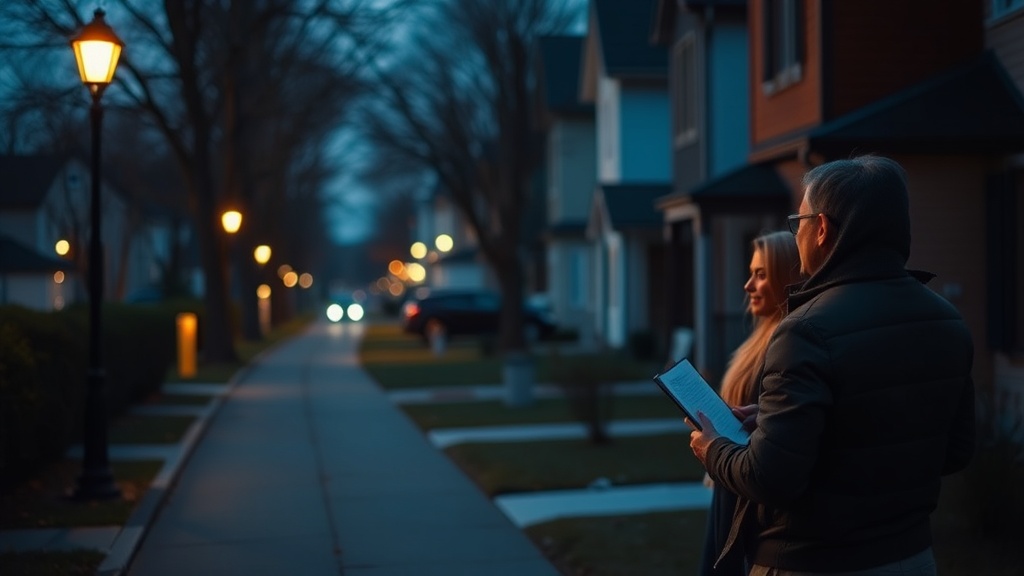
How to Get Involved in Your Neighbourhood Association in Candiac
What You'll Learn About Community Participation in Candiac
This guide explains exactly how to join, support, or even start a neighbourhood association in Candiac — from finding your local group to showing up at your first meeting. You'll learn where associations gather, what they actually do for our community, and how regular residents (not politicians or activists) make Candiac a better place to live through simple, consistent involvement.
Why Neighbourhood Associations Matter in Candiac
Candiac isn't just a collection of houses and streets — it's a network of micro-communities, each with its own character and concerns. The Association des Riverains du Parc de la Coulée has spent years advocating for green space preservation near the woodland trails. Over in the Secteur Champagne, residents organized successfully for better snow removal schedules during our brutal Quebec winters. These groups work because people show up.
Here's what most Candiac residents don't realize: our city actively channels funding and attention through these associations. When the city plans roadwork on Montée Saint-Régis or discusses development near Place Candiac, neighbourhood associations get consulted first. Your voice carries more weight through an organized group than through a single complaint to city hall.
How Do I Find My Local Neighbourhood Association?
Start with the official City of Candiac website — navigate to the "Citoyens" section and look for the directory of community organizations. Most established associations register with the city, though newer or informal groups might not appear there yet.
Check the bulletin boards at key community spots. The Centre récréatif de Candiac on Avenue Bernier posts meeting notices for several local associations. So does the Club de golf de Candiac community board — even if you're not a golfer, their lobby welcomes residents checking for neighbourhood news. Don't overlook the library branch at Place Candiac; they maintain a physical binder of active community groups that's surprisingly current.
Facebook remains the most active digital hub for Candiac neighbourhood chatter. Search for "[Your Sector] Candiac" or "Quartier [Your Area] Candiac." The Association des résidents du secteur Nord runs an active group with over 800 members — not officially sanctioned, but undeniably influential when issues arise.
What Actually Happens at These Meetings?
First-timers often expect formal parliamentary procedure. Reality is more casual — and more interesting. A typical meeting at the community room near Parc Léo-Crépin might cover: updates from the city's urban planning department about upcoming construction, coordination for the annual garage sale weekend, concerns about speeding on residential streets, and planning for the neighbourhood Christmas potluck.
Meetings usually run 60-90 minutes. The Comité de quartier du Domaine publishes agendas in advance through their email list — a good practice that keeps discussions focused. Others are more free-form. Either way, you won't be pressured to commit immediately. Most associations welcome observers who just want to understand what's happening in their area.
Bring a notebook, not a laptop. These meetings happen in community centres, church basements, or sometimes someone's living room. The setting is informal, but the information is substantive. You'll hear about city projects months before they hit the local news — if they hit the news at all.
How Can I Participate Without Running for Board Positions?
Not everyone wants to be treasurer or secretary — and that's fine. Associations need bodies at events more than they need another person willing to take meeting minutes. The Association des parents et amis de l'École Plein-Soleil (while school-focused, many members are also active in broader neighbourhood work) always needs volunteers for their spring cleanup of nearby green spaces.
Consider skill-based contributions. Are you handy with graphic design? The Association des Riverains constantly needs someone to create flyers for their events. Good with numbers? Small associations often struggle with grant applications. Bilingual? Many Candiac associations operate primarily in French but want to reach anglophone residents — translation help is genuinely valuable.
Even passive participation helps. Simply subscribing to your association's updates and occasionally forwarding relevant information to neighbours strengthens community information networks. When the city proposed changes to waste collection routes last year, informed residents who shared the consultation links helped generate record feedback — which led to modifications in the final plan.
What If My Area Doesn't Have an Association?
Several Candiac sectors lack organized representation — particularly newer developments and some pockets near the industrial zone. Starting an association isn't as daunting as it sounds, though it requires some groundwork.
First, verify no group exists. Post in general Candiac Facebook groups asking about your specific area. Check with the city's citizen services department — they maintain informal knowledge of emerging groups. Once confirmed, start small. The Association du Quartier des Ormes began when three neighbours organized a single block party. That event revealed shared concerns about traffic safety, which led to regular meetings, which evolved into formal association status.
You'll need approximately 10-15 committed households to form a credible association. Your first formal step should be approaching the Centre de formation des jeunes adultes de la Montérégie or similar local organizations for advice on structure — many offer free workshops on community organizing for residents. The city also provides a guide (in French) for establishing new neighbourhood groups, available through the urban planning department.
How Do Associations Actually Influence City Decisions?
Candiac's municipal structure includes mechanisms for citizen input, but understanding the pipeline helps. Major developments — like the recent residential projects near Avenue des Oblats — trigger mandatory consultation periods. Neighbourhood associations receive direct notification and can request presentation slots at council meetings.
The real influence happens earlier, though. When the association for the Secteur Saint-Régis learned of planned changes to the intersection at Montée Saint-Régis and Boulevard Jean-Leman, they organized a walking tour with city engineers before formal consultation began. That early engagement shaped the final design — adding pedestrian features that weren't in the original proposal.
Smaller wins matter too. Associations regularly secure: additional garbage bins in parks, speed limit reductions on specific streets, improved lighting at bus stops, and maintenance prioritization for local infrastructure. These aren't headline-grabbing victories, but they measurably improve daily life for residents.
Frequently Asked Questions
Do I need to speak French to participate?
Most Candiac neighbourhood associations operate primarily in French, but many active members are bilingual and willing to translate. Some newer associations in more diverse sectors conduct meetings in both languages. Don't let language concerns stop you from attending — community spirit transcends vocabulary.
Is there a membership fee?
Most associations charge nominal annual dues — typically $10-25 per household — to cover basic costs like meeting space rental, printing, and website hosting. Some operate without fees, funding activities through event revenues or small grants. Financial hardship should never prevent participation; associations will work with residents who cannot pay.
How much time does involvement require?
You control your commitment level. Passive members attend 2-3 meetings yearly and read email updates. Active participants might dedicate 3-5 hours monthly. Leadership roles require more substantial time — but those positions only work if filled by people with capacity. No one benefits from overcommitted volunteers who burn out.